

Riley Gaines and Louis Barker recap their courtside experience at the Indiana Fever game, from Caitlin Clark and Kelsey Mitchell’s standout performance to the very different atmosphere compared with Riley’s previous WNBA trip in Minneapolis. . New episodes of The Riley Gaines Show every Tuesday and Friday at 10 a.m. ET.
The Indiana Fever’s regular-season games on major broadcast networks averaged more than twice the audience of the WNBA semifinal openers on Oct. 4.
And those playoff games were on ABC and NBC.
This page may contain affiliate links to legal sports betting partners. If you sign up or place a wager, FOX News may be compensated. This content was created by a team that works independently from the FOX newsroom.
An OutKick review of Indiana’s 10 regular-season games on ABC, CBS and NBC found an average audience of approximately 2.32 million viewers. The two semifinal openers averaged about 1.16 million.
CAITLIN CLARK SENDS WNBA ALL-STAR RATINGS SOARING AS 3-POINT CONTEST AUDIENCE FALLS WITHOUT HER
That gave Indiana an average audience approximately 100% larger, a difference of nearly 1.16 million viewers per game.
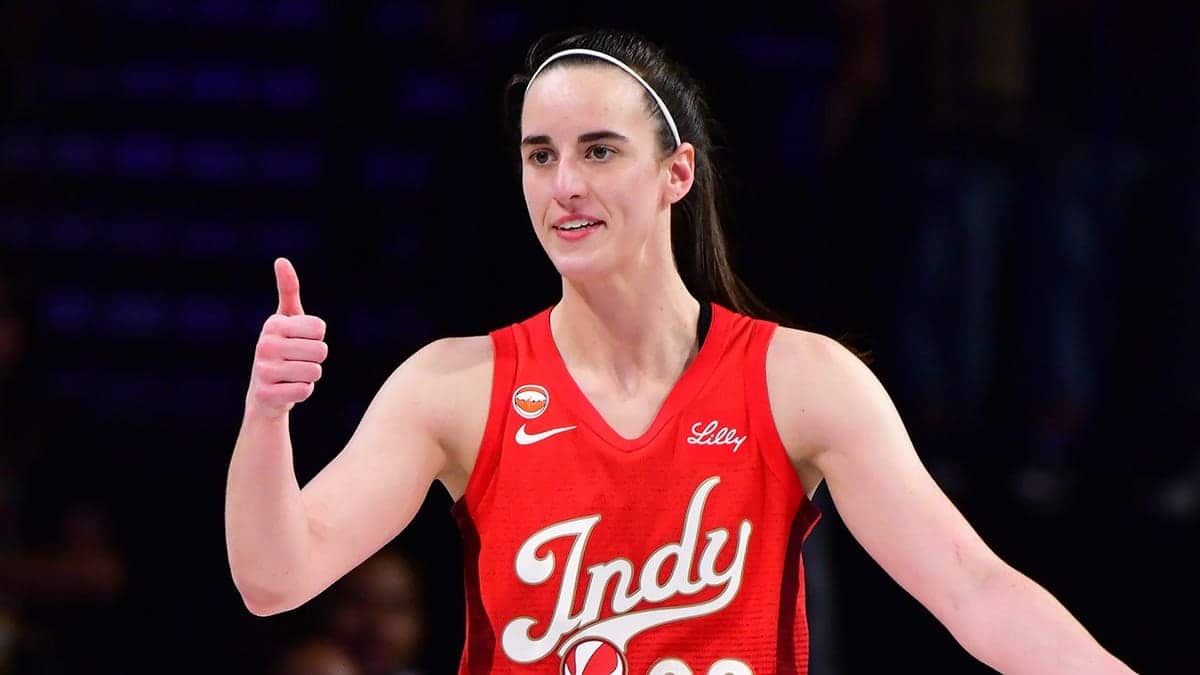
Indiana Fever regular-season games averaged more than twice the WNBA semifinal viewership on ABC and NBC, underscoring Caitlin Clark’s massive television ratings impact. (NBAE via Getty Images)
New York–Atlanta’s Game 1 averaged 1.2 million viewers on ABC, ESPN told OutKick. Las Vegas–Golden State averaged 1.12 million on NBC and Peacock, according to figures NBC supplied to OutKick.
Just one Sunday earlier, Indiana’s first-round opener against Las Vegas averaged 2.11 million viewers on ABC. That Sept. 27 game also aired opposite the NFL, yet drew approximately 76% more viewers than New York–Atlanta’s semifinal opener on the same network a week later.
The stakes went up, but the audience went down.
That’s a pretty good answer to anyone still wondering how much Caitlin Clark means to the WNBA’s television business.
The 2.32 million average covers four Fever games on ABC, four on CBS and two on NBC, using reported audiences from the regular season. The NBC figures include Peacock, just as the Aces–Valkyries playoff figure does.
Seven of those 10 Fever games exceeded two million viewers. Every one of the 10 drew a larger audience than either semifinal opener.
The smallest was Indiana’s May 30 game at Portland on CBS, which Sports Media Watch reported at nearly 1.3 million. Clark had one of her worst games of the season, scoring just 6 points on 1-for-7 shooting, and the Fever trailed by as many as 26 points.
Think about that, though. A regular-season game against Portland in May, where Clark played just 22 minutes in a blowout loss, drew more viewers than either game to open the WNBA semifinals in October.
WNBA WANTS A BIGGER STORY THAN CAITLIN CLARK, BUT TV RATINGS KEEP POINTING BACK TO HER
At the other end, Indiana’s Aug. 23 game against Chicago averaged 3.31 million viewers on NBC and Peacock. Its July 12 game against Las Vegas drew 2.64 million on those same platforms.
New York offers another useful comparison. The Liberty’s two regular-season meetings with Indiana on CBS each drew over 2.5 million viewers. Sunday’s Liberty–Dream semifinal opener drew 1.2 million on ABC.
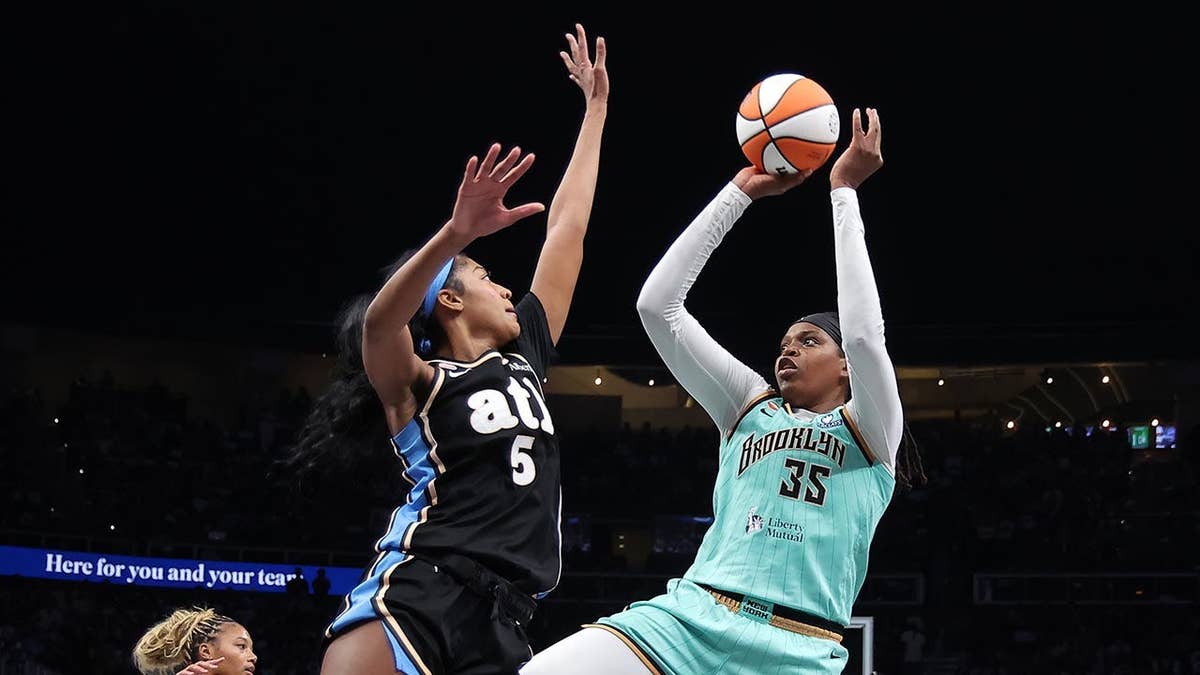
The Liberty–Dream semifinal opener drew fewer viewers than either of New York’s regular-season meetings with Indiana on CBS. (Getty Images)
Angel Reese, who now plays for Atlanta, famously insisted in 2024 that people watch women’s basketball “because of me too.”
Well, New York facing Clark’s Fever in the regular season drew more than twice the audience of New York facing Reese’s Dream in the final four. The numbers show that Reese isn’t much of a television draw, as Dream playoff games are right in line with the other non-Clark games and, in some cases, actually worse.
Atlanta’s first-round clincher averaged 1.2 million viewers on ESPN, below the 1.4 million for Dallas–Golden State on the same network that night.
This isn’t to say that this is bad news for the WNBA because it isn’t. Before Clark arrived in 2024, the league hadn’t had a game average one million viewers since 2008. Consistently clearing that mark represents real progress.
Plus, the two semifinal openers averaged around 10% more viewers than last year’s pair. Sports Media Watch ranked them second and third among semifinal Game 1 audiences since the league adopted its current semifinal format in 2016.
The only opener ahead of them? Last year’s Fever–Aces game, which drew 1.4 million on ABC even with Clark sidelined by injury.
That’s encouraging for the league, and another reminder of the audience Indiana has built. Even during this year’s regular season, the Fever drew 1.57 million against Los Angeles on CBS on June 27 without Clark playing.
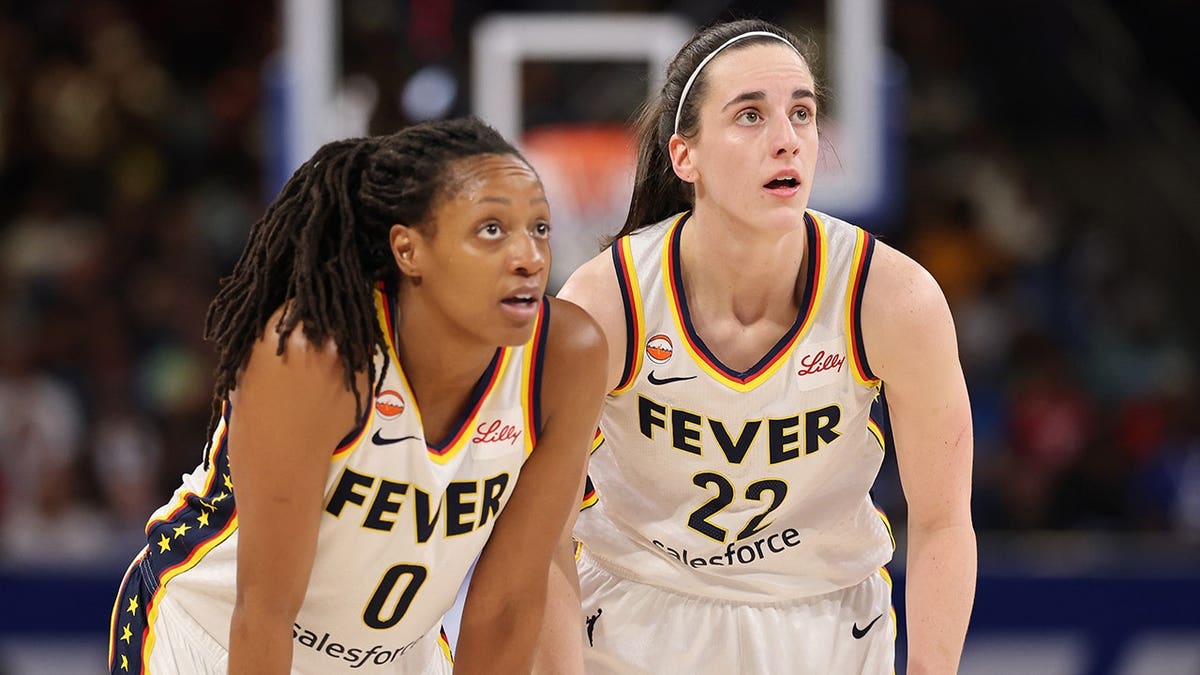
Caitlin Clark and the Indiana Fever remain the WNBA’s biggest TV draw by a wide margin. (Getty Images)
There is an audience for the Fever beyond simply checking whether Clark is in uniform that day. The WNBA would benefit enormously from building that kind of interest around more of its teams.
As I reported earlier this week, even Indiana’s least-watched first-round game, its 1.42 million-viewer appearance on Prime Video, outdrew every non-Fever first-round game. That streaming-exclusive audience also exceeded both semifinal openers on broadcast television.
Fans found the Fever wherever their games aired. The remaining teams now have the opportunity to give those viewers a reason to keep watching.
I’ll be interested to see whether the audiences build as the series progress.
For now, though, the remaining teams are trying to match numbers the Fever were putting up in May.




Discount Applied Successfully!
Your savings have been added to the cart.