


NEWYou can now listen to Fox News articles!
From city halls to governors’ mansions, the message is the same: crime is falling. In Detroit, Mayor Mary Sheffield celebrated a 10 percent drop in both violent and property crime and the city’s fewest murders in 60 years. In Los Angeles, Mayor Karen Bass touted a 19 percent decline in homicides, while her police chief pointed to “noticeable declines in property crime.” In Chicago, Mayor Brandon Johnson hailed 2025 as “one of the most transformative years in violence reduction” in the city’s history, with property crime like burglaries falling alongside shootings. The FBI’s most recent national data back them up, showing declines in reported violent and property crime alike. Billions invested in public safety are supposedly paying off.
But there is a problem with the victory lap. It is built almost entirely on crimes that victims actually report to police. And for property crime — the most common form of criminal victimization in America — most victims never make that call. As one critic of Mayor Bass’s latest announcement put it, the real reason crime numbers are falling is partly that “many residents have given up on reporting crimes that no one will ever pay for.”
The Bureau of Justice Statistics runs the National Crime Victimization Survey (NCVS), a massive household survey designed to capture crime that never shows up in a police report. The most recent data, covering 2024, found approximately 13.1 million property victimizations. Only about 30 percent were reported to police. And of those that were, the FBI’s 2024 data show barely one in six resulted in an arrest — a clearance rate of just 15.9 percent for property crime overall, and 9.2 percent for motor vehicle theft. Compare that to 61.4 percent for murder. The system is effectively telling offenders that property crime carries almost no risk.
MURDER RATE DROPS TO LOWEST LEVEL SINCE 1900 ACROSS MAJOR US CITIES NATIONWIDE
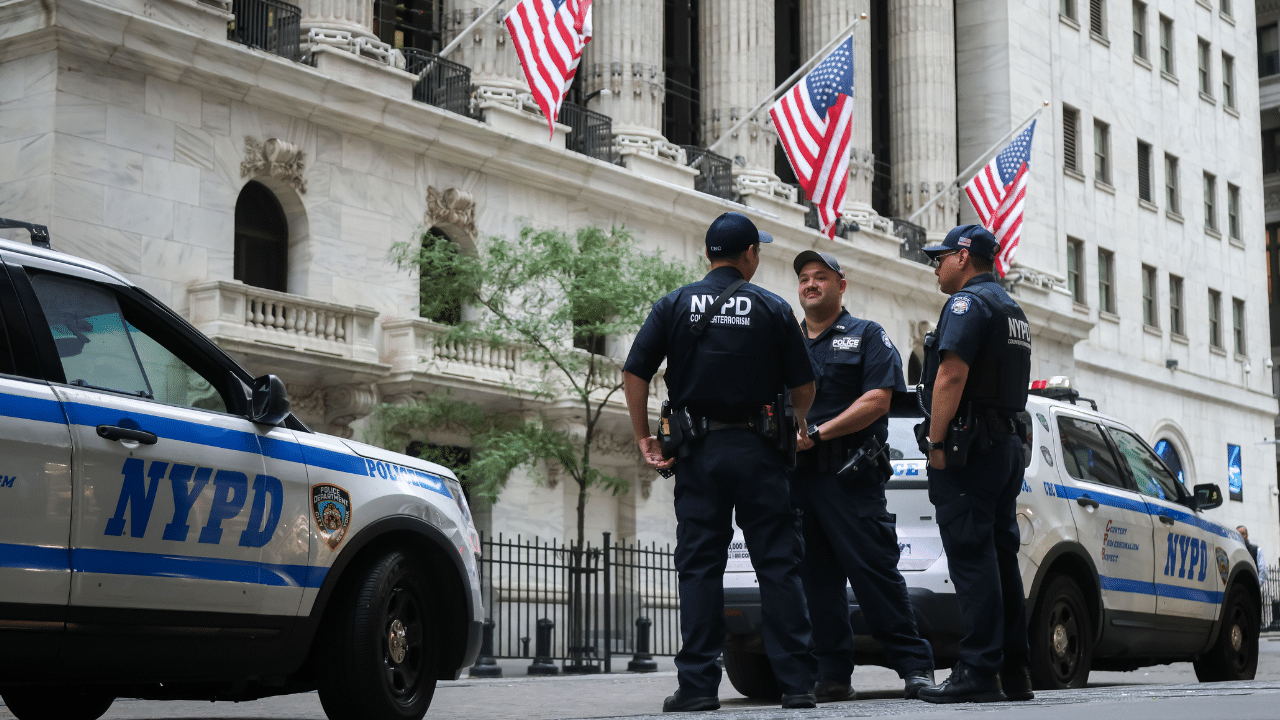
No city illustrates this disconnect more vividly than New York. On April 2, Mayor Zohran Mamdani and NYPD Commissioner Jessica Tisch stood at One Police Plaza to announce the fewest murders and shooting incidents in recorded history for the first three months of 2026 — just 54 murders citywide, a 28 percent drop from the year before. Major crime fell 5 percent across all five boroughs. Commissioner Tisch touted a 21 percent decline in burglary and a 20 percent drop in retail theft. In January, Governor Kathy Hochul had already declared New York City “the safest big city in the country.”
CLICK HERE FOR MORE FOX NEWS OPINION
I spent my career in the NYPD. The decline in gun violence in some cities is significant and reflects sustained, disciplined police work. But when the claimed success extends to property crime, the data tells a different story. The NYPD publishes quarterly clearance reports showing how many complaints result in arrest. In 2025, grand larceny — the largest property crime category — had an arrest clearance rate that never exceeded 14 percent in any quarter. Grand larceny of a motor vehicle was worse: between 9 and 11 percent all year.
Layer the national reporting data on top of those clearance numbers. If 70 percent of property crime victims never report, and the crimes that are reported lead to arrest less than 15 percent of the time for theft and under 11 percent for auto theft, the actual probability that a property crime in America’s largest city results in any accountability is almost zero.
CLICK HERE TO DOWNLOAD THE FOX NEWS APP
Retail theft sharpens the point. At the same April press conference, Commissioner Tisch touted a 20 percent citywide decline in retail theft. But that same quarter, the Manhattan Chamber of Commerce was urging the City Council to pass new retail theft legislation and pressing the administration to maintain the Retail Theft Task Force established under its predecessor — not the behavior of a business community that believes the problem is solved. And retail theft isn’t even a standalone category in the FBI’s reporting system. Officials can tell you incidents went down. They cannot tell you how many of those cases ended in an arrest.
To be clear: I am not arguing that law enforcement is failing. Many agencies are doing more with less, and the violent crime reductions in certain cities across the country are real. What I am arguing is that the political narrative around property crime — the victory laps, the press conferences, the claims of historic safety — is built on data that captures less than a third of what is happening. When officials cheer those numbers without acknowledging the scale of unreported victimization beneath them, they are choosing which truth to tell. And the truth they are leaving out belongs to the millions of Americans who were victimized last year and never called the police — because they had already learned that nothing would come of it.
![[GOOD PRESS] ON[GOOD PRESS] ON](https://georgemagazine.com/wp-content/uploads/2024/08/16389056566437433941_2048-300x300.jpeg)



Discount Applied Successfully!
Your savings have been added to the cart.