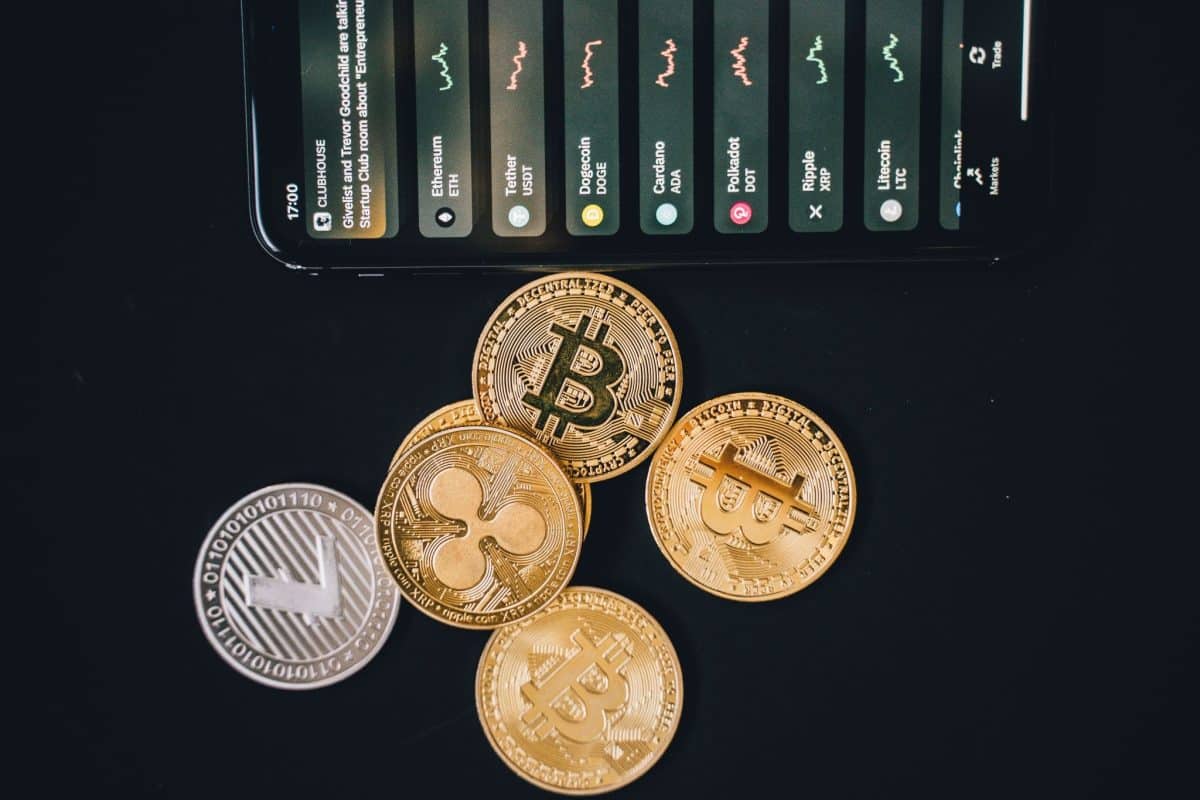
Bitcoin, Ethereum and XRP: Three Different Approaches
Bitcoin was designed to function as decentralized digital money and a store of value. Ethereum expanded blockchain functionality through programmable smart contracts and decentralized applications.
The XRP Ledger took another direction.
Launched in 2012, XRPL is an open-source, decentralized public blockchain designed for fast payments, cross-border settlement, and tokenized asset transfers.
Its defining characteristics include:
- Transaction settlement in approximately 3 to 5 seconds.
- No energy-intensive mining.
- A minimum standard transaction fee of 10 drops (0.00001 XRP).
- Native support for token issuance, escrow, decentralized exchange functionality, and decentralized identifiers.
First, let’s clear up an important misconception.
XRP is not the XRP Ledger, and neither is Ripple.
XRP is the network’s native digital currency. The XRP Ledger is the underlying open-source blockchain. Ripple is a private financial technology company that develops enterprise payment solutions.
They’re connected, but they’re not interchangeable.
Why the XRP Ledger Doesn’t Need Mining
Bitcoin uses Proof of Work (PoW), a consensus mechanism described in Satoshi Nakamoto’s 2008 whitepaper.
Miners compete to solve cryptographic puzzles, consuming substantial electricity to validate transactions and add blocks.
The XRP Ledger approaches this differently.
It uses the XRP Ledger Consensus Protocol, where independent servers called validators communicate and vote on transaction validity and ordering.
Here’s how the process works:
- Broadcast: A user signs and submits a transaction.
- Proposal: Validators share candidate lists of valid transactions.
- Deliberation: Validators compare proposals through multiple voting rounds.
- Lock-In: Once at least 80% of trusted validators agree on the same transaction set, the ledger closes.
This process generally takes three to five seconds.
The architecture also uses a Unique Node List (UNL). Each server operator maintains a list of validators it trusts. Sufficient overlap between these lists helps maintain network agreement.
Without competitive mining farms, the network avoids the energy-intensive mining race associated with Bitcoin.
The Interesting Part: Transaction Fees
Real talk. Expensive blockchain transactions can make everyday payments impractical.
XRPL addresses this through extremely low base fees.
A standard transaction costs at least 10 drops, equivalent to 0.00001 XRP, because one XRP equals one million drops.
But here’s the kicker: transaction fees aren’t paid to validators.
They’re permanently destroyed, or burned, by the protocol.
This mechanism discourages spam transactions. When network traffic increases, fees can escalate to make flooding the network increasingly expensive.
For perspective, Bitcoin’s average transaction fees briefly reached approximately $128.45 during the April 20, 2024 halving and Runes launch, according to historical BitInfoCharts data. This was an unusual spike, not a normal daily fee.
Bitcoin’s Lightning Network provides an additional Layer 2 option for faster, cheaper payments. XRPL, meanwhile, offers inexpensive settlement directly on its base layer.
So, Which Blockchain Is Better?
That’s the wrong question.
Bitcoin prioritizes monetary scarcity and decentralized security. Ethereum focuses on programmable blockchain applications. XRPL emphasizes fast settlement and value transfer.
Each has a different purpose.
Coming Up in Part 2: We’ll examine how XRPL validators work, why decentralized identity matters to financial institutions, and how its technical features could support institutional adoption.
About This Series: This three-part series explores the XRP Ledger’s architecture, real-world applications, institutional potential, and risks.
References and Sources
Original Bitcoin whitepaper explaining Proof of Work, decentralized consensus, and transaction verification.
https://bitcoin.org/bitcoin.pdf
[2] XRPL Foundation. Consensus Protocol.
Official technical documentation explaining validator consensus, Unique Node Lists, transaction ordering, and ledger validation.
https://xrpl.org/docs/concepts/consensus-protocol
[3] XRPL Foundation. Transaction Cost.
Official documentation covering the 10-drop minimum transaction cost, fee destruction, and load-based fee escalation.
https://xrpl.org/docs/concepts/transactions/transaction-cost
[4] Shen, T. (April 22, 2024). Bitcoin’s average transaction fee comes down after reaching record high amid Runes rollout. The Block.
Historical reporting on Bitcoin’s transaction fee spike during the April 2024 halving.
https://www.theblock.co/news/ecosystems/2024-04-22-bitcoins-average-transaction-fee-comes-down-after-reaching-record-high-amid-runes-rollout-290034