Chef Eric Levine, owner of 317 Main Street, shares his tips and tricks to making homemade bread on ‘Fox & Friends Weekend.’
NEWYou can now listen to Fox News articles!
Having digestive issues? While experts often caution that eating bread will make these issues worse, there’s an exception.
British researchers published new guidelines earlier this fall about foods that can relieve constipation.
King’s College London said in a news release that the research is the “first-ever evidence-based dietary guidelines for adults with chronic constipation.”
EASY NUTRITION TWEAK COULD TRANSFORM YOUR SLEEP — STARTING THIS EVENING
The main recommendations are kiwi, mineral water and — surprisingly — rye bread.
“Our guidelines found that there simply isn’t enough evidence to suggest [that fiber] actually works in constipation specifically. Instead, our research reveals some new dietary strategies that could indeed help patients,” study author Eirini Dimidi said in the October news release.
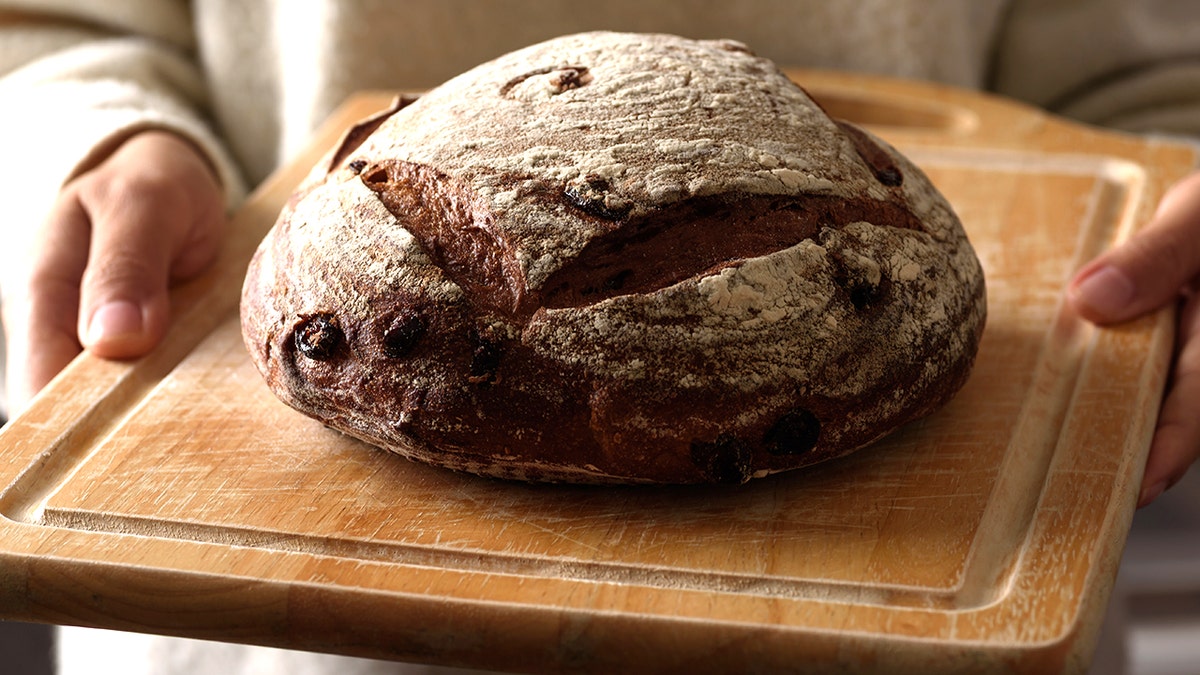
Rye bread may ease digestive issues, say researchers. This challenges long-held beliefs about bread and gut health. (iStock)
“At the same time, we urgently need more high-quality trials to strengthen the evidence on what works and what doesn’t.”
Rye bread’s high fiber content “sets it apart from other breads,” said Dr. Roshini Raj, a New York City-based gastroenterologist (she was not involved in the study).
CLICK HERE TO SIGN UP FOR OUR LIFESTYLE NEWSLETTER
“In this study, they compared rye bread to white bread, and only rye bread helped constipation,” Raj said.
“White bread is low in fiber and also contains refined flour, which can worsen constipation.”
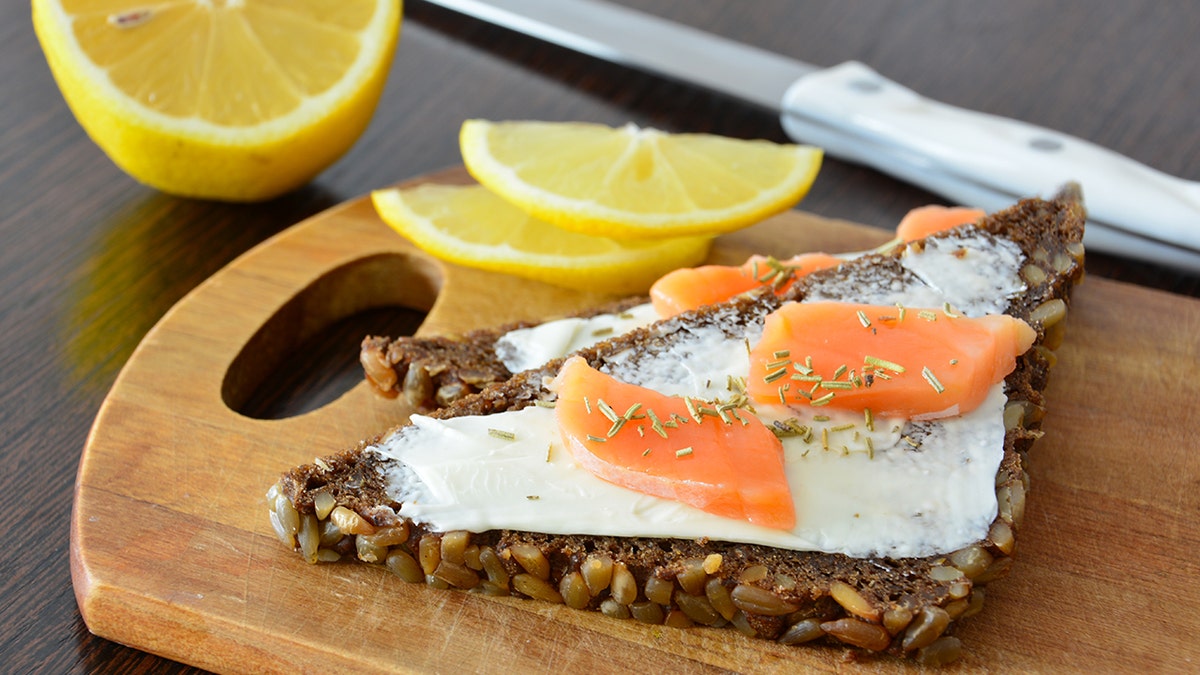
The new study compared rye to white bread — and found clear benefits only from the rye variety. (iStock)
Raj said rye bread also contains both soluble and insoluble fiber.
CLICK HERE FOR MORE LIFESTYLE STORIES
This all helps “both stool consistency and stool frequency by adding bulk to the stool and drawing water into the intestine.”
The “Gut Renovation” author also noted that rye contains iron, magnesium, zinc and B vitamins, which support everything from energy production to immune health and cognitive function.
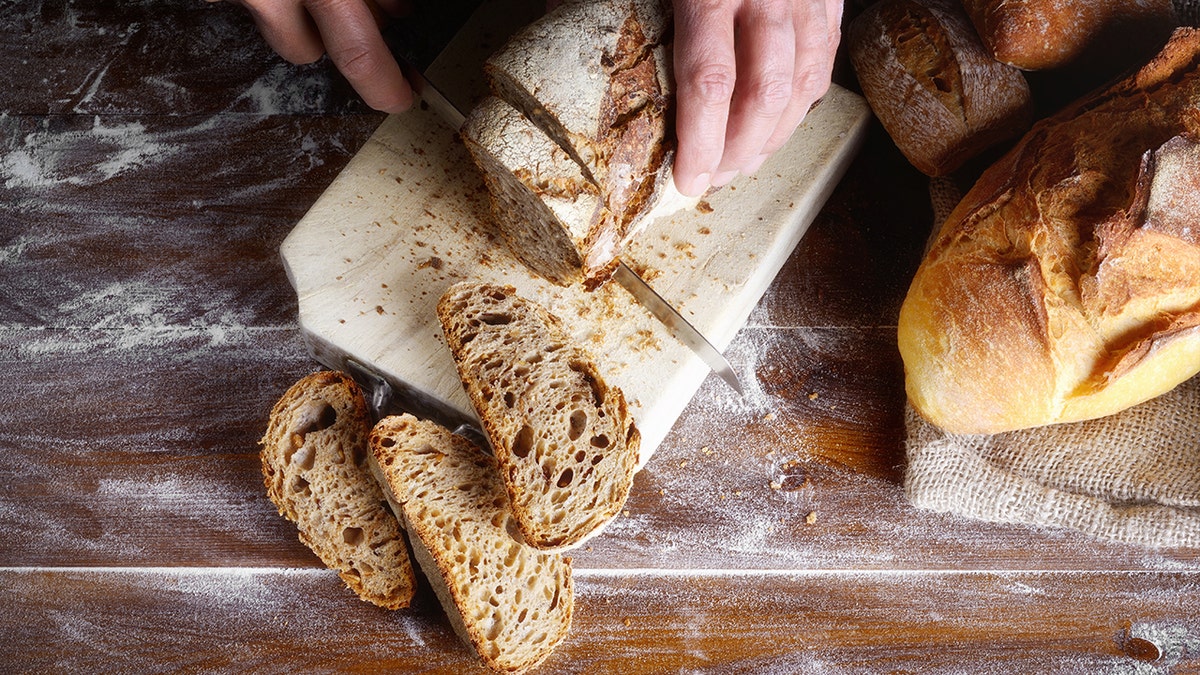
Experts say pairing rye with more water and fiber-rich foods can further support digestive function. (iStock)
For those choosing to add rye bread to their diets, Raj cautioned that it should be done slowly, as it can cause bloating.
“There are many high-fiber foods, not just rye bread — so aim to get a variety to ensure you are not only getting fiber, but other nutrients as well,” she said.
“Increasing water intake is also helpful for constipation.”
TEST YOURSELF WITH OUR LATEST LIFESTYLE QUIZ
Debra Muth, a naturopathic doctor (ND) based in Wisconsin, who was also not involved in the study, added that rye “stabilizes blood sugar, keeps you full longer, feeds the microbiome and delivers minerals your body actually needs.”
She added, “Most breads today are made from refined flour that’s been stripped of fiber, so they make constipation worse, rather than better.”
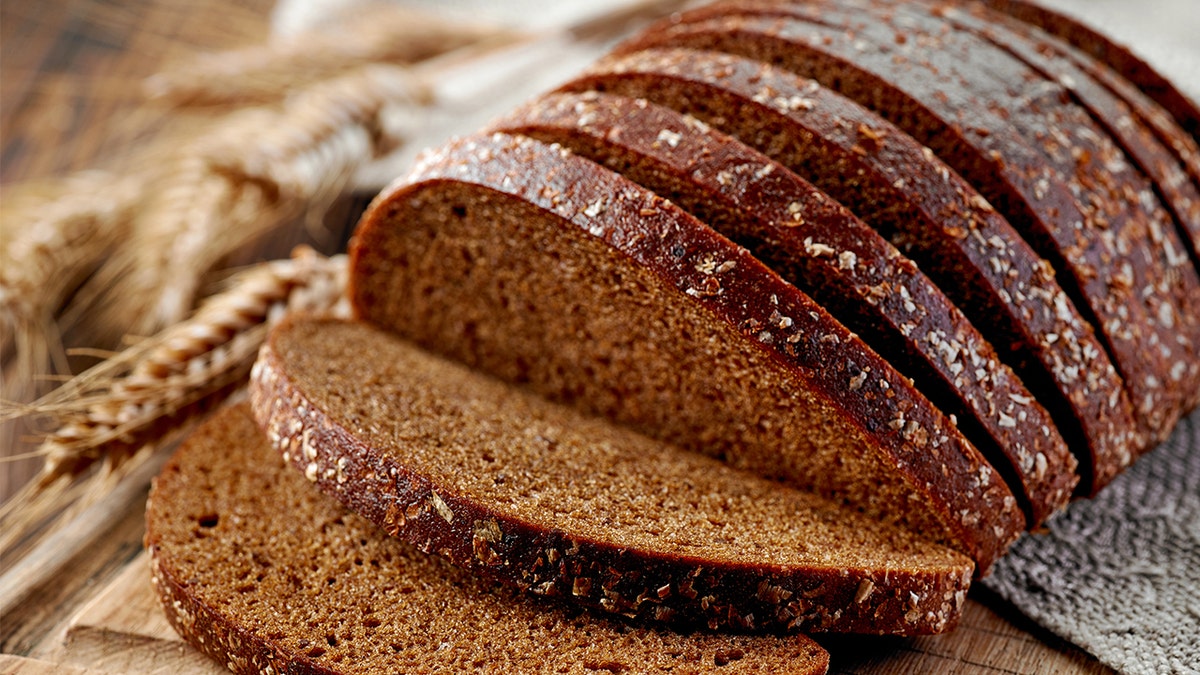
Rye bread is higher in fiber and lower on the glycemic index, making it more gut-friendly, a doctor told Fox News Digital. (iStock)
“Rye is different. It’s higher in fiber, lower on the glycemic index and far more gut-friendly. It’s one of the few breads that actually supports motility instead of shutting it down.”
To start eating more rye bread, Muth recommended rye toast — but look out for real rye bread made with rye flour, she said, not wheat bread that’s been dyed brown.
CLICK HERE TO GET THE FOX NEWS APP
“It’s important to investigate why you’re constipated in the first place,” she added.
“Yes, constipation is inconvenient, but it’s a signal. Your body is telling you something’s off.”


Subscribe to George Magazine and unlock exclusive bonuses. Your subscription now includes a free crypto essentials guide and three premium downloadable images. These images are perfect for personal use as desktop or mobile backgrounds, with thumbnail previews shown below.


Discount Applied Successfully!
Your savings have been added to the cart.