

I still remember the first time someone explained XRP to me in early 2018.
The conversation started exactly how most crypto conversations did back then: “Do you think XRP is going to hit $10?”
That was the wrong question.
By Avery Knox
I still remember the first time someone explained XRP to me in early 2018.
The conversation started exactly how most crypto conversations did back then: “Do you think XRP is going to hit $10?”
That was the wrong question.
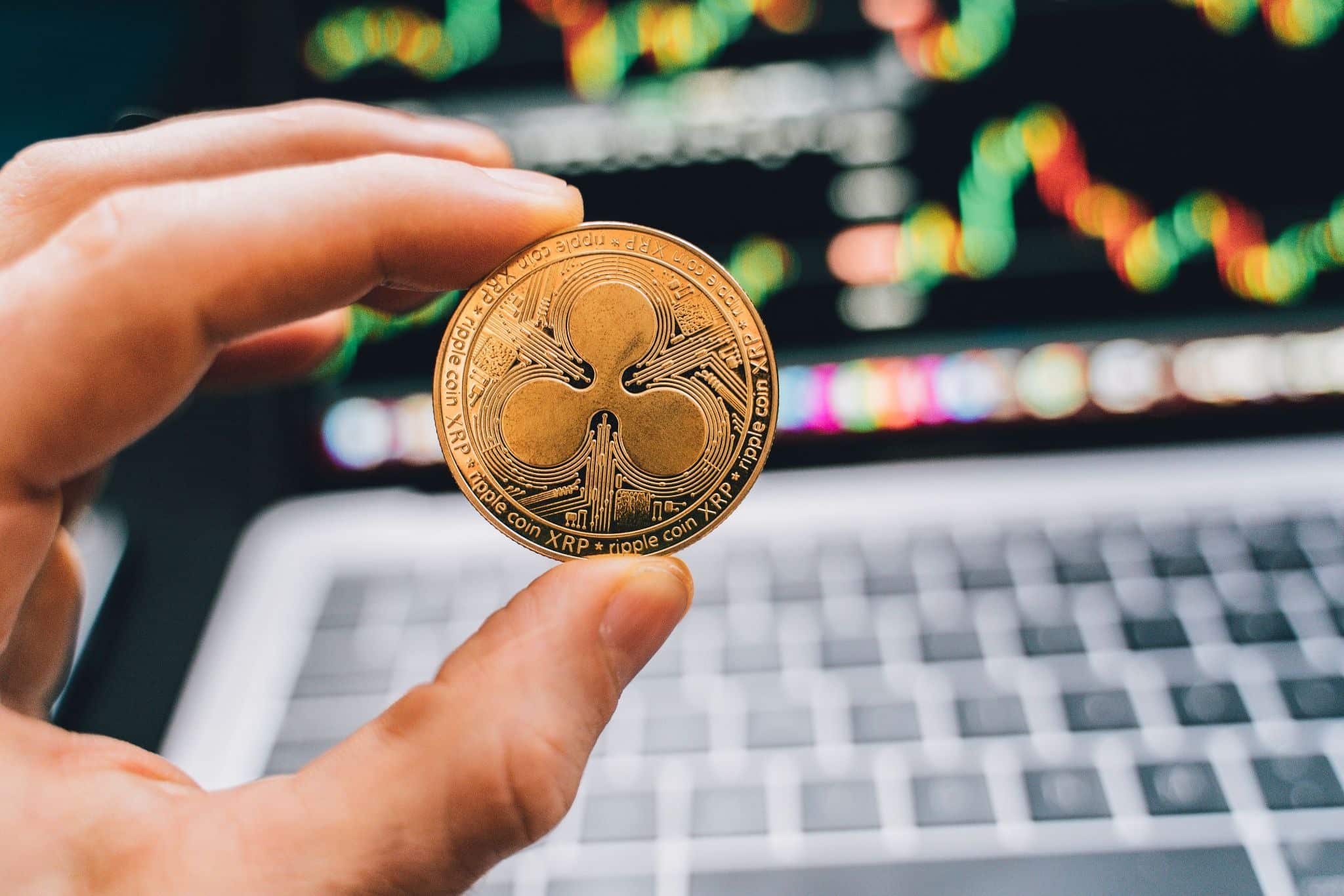
After covering digital assets for years, I learned that chasing price predictions before understanding the technology is one of the fastest ways to make expensive mistakes. I have watched people buy tokens because of social media excitement, only to panic when markets turned against them.
Real talk: XRP is one of the most misunderstood digital assets in the market.
Some people call it “the next Bitcoin.” Others dismiss it as just another cryptocurrency hype story. Both views miss the bigger picture.
XRP was never designed to replace Bitcoin. It was never created to compete directly with Ethereum. It was built for a different purpose: solving one of the oldest problems in global finance, moving money across borders quickly, efficiently, and at lower costs.
And in 2026, that problem has become bigger than ever.
Imagine sending money from one country to another.
Today, traditional international payments often involve multiple banks, currency conversions, settlement delays, and complicated processes. A payment that looks instant from a customer’s perspective may actually move through several financial institutions behind the scenes.
This creates three major challenges:
The global cross-border payments market is massive. According to a 2025 IMF working paper, the combined traditional and digital cross-border payments market approached approximately $1 quadrillion in transaction value in 2024.
That is the market XRP is trying to address.
The idea behind XRP is simple:
Instead of relying on multiple intermediaries, financial institutions can use blockchain technology to settle transactions faster.
The XRP Ledger acts as the underlying network, while XRP functions as a digital asset that can provide liquidity during cross-border transfers.
The opportunity is not about replacing everyday payments overnight.
It is about improving the infrastructure behind global money movement.
One of the first things beginners need to understand is that XRP and Ripple are not the same thing.
This confusion has existed for years.
Ripple is a technology company that develops payment solutions for financial institutions.
XRP is the digital asset that operates on the XRP Ledger.
Think of it this way:
Ripple is a company.
XRP is a cryptocurrency.
The XRP Ledger is the blockchain network.
They are connected, but they are not identical.
This distinction matters because many beginners assume that buying XRP means buying ownership in Ripple. That is not how cryptocurrency ownership works.
Owning XRP means owning a digital asset that operates on its own blockchain network.
When people compare cryptocurrencies, they often compare price charts.
That is usually where the analysis goes wrong.
Different cryptocurrencies exist for different reasons.
| Feature | XRP | Bitcoin | Ethereum |
|---|---|---|---|
| Primary Purpose | Cross-border payments | Store of value | Smart contracts and applications |
| Network | XRP Ledger | Bitcoin Blockchain | Ethereum Blockchain |
| Settlement Speed | Seconds | Minutes to hours | Minutes |
| Energy Usage | Low | Higher | Moderate |
| Main Users | Payment providers and institutions | Investors and holders | Developers and applications |
Bitcoin is often compared to digital gold.
Ethereum is often compared to a global computing platform.
XRP is closer to a financial settlement network.
The investment question is not:
“Which one will win?”
The better question is:
“What problem is each one trying to solve?”
For years, XRP existed under a cloud of uncertainty because of the legal battle between Ripple and the US Securities and Exchange Commission.
Many investors viewed XRP through only one lens:
“The SEC lawsuit.”
That chapter eventually came to an end.
The SEC and Ripple jointly dismissed their appeals in August 2025, closing a legal fight that lasted more than four years.
But here is the important lesson:
Regulation does not change overnight.
Markets often move from uncertainty to acceptance gradually.
In March 2026, US regulators classified XRP as a digital commodity rather than a security, creating a clearer regulatory path.
This shift mattered because institutional investors usually do not enter markets where the legal framework is unclear.
Regulatory clarity is not a guarantee of success.
But it removes one major obstacle.
As of early July 2026, XRP was trading around the $1.05 to $1.15 range.
The market experienced pressure in June after delays around the CLARITY Act created uncertainty among investors.
But something interesting happened.
While retail traders remained cautious, institutional interest continued developing.
Key signals included:
The numbers do not tell the entire story, but they reveal something important:
XRP is no longer only a retail speculation story.
The conversation is slowly shifting toward infrastructure, adoption, and real-world use cases.
The biggest mistake new investors make is starting with price predictions.
“Will XRP hit $5?”
“Will XRP hit $10?”
“Will XRP make me rich?”
These questions come too early.
Here’s what I learned after years of watching crypto markets:
A strong investment thesis starts with understanding.
Before thinking about price, ask:
XRP has an interesting story.
It has regulatory progress.
It has a clear use case.
It has institutional attention.
But it also exists in a competitive and unpredictable market.
The opportunity is real.
The risks are real too.
That balance is what separates thoughtful investors from emotional traders.
In the next part, we will break down how beginners should evaluate XRP, including:
About This Series: XRP for Beginners: A Clear Guide to the Ripple Ecosystem is a three-part educational series designed to help new investors understand XRP beyond social media hype. Through market history, technical analysis, and practical frameworks, this series explores what XRP is, why it exists, and how to evaluate its future potential.
References
XRP Ledger Foundation (2026). XRP Ledger Documentation: Introduction to XRP and the XRP Ledger.
https://xrpl.org/docs/introduction
Ripple (2026). Ripple Payments: Enabling Faster Global Payments with Blockchain Technology.
https://docs.ripple.com/products/payments-odl/introduction
International Monetary Fund (2025). Global Cross-Border Payments: A $1 Trillion+ Evolving Market.
XRP Ledger Foundation (2026). XRP Ledger: Consensus, Transactions, and Network Architecture.
https://xrpl.org/docs/concepts/consensus-protocol
Ripple (2025). The SEC vs Ripple Case: Legal Developments and Regulatory Progress.
https://ripple.com/insights/ripple-sec-lawsuit/
Financial Action Task Force (2025). Targeted Update on Implementation of FATF Standards on Virtual Assets and Virtual Asset Service Providers.


![[GOOD PRESS] ON[GOOD PRESS] ON](https://georgemagazine.com/wp-content/uploads/2024/08/16389056566437433941_2048-300x300.jpeg)

Discount Applied Successfully!
Your savings have been added to the cart.