

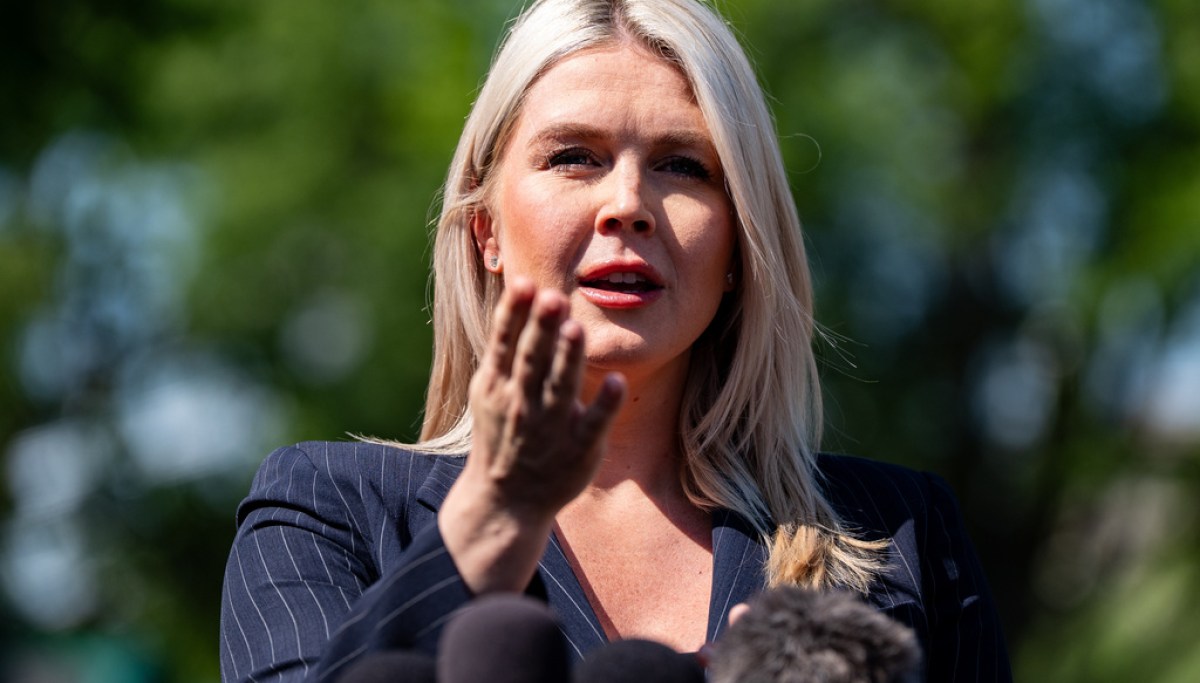
White House press secretary Karoline Leavitt denied on Wednesday that President Donald Trump’s extension of the Iran war ceasefire would last only three to five days.
“The president has not set a firm deadline to receive an Iranian proposal, unlike some of the reporting I’ve seen today,” Leavitt told the press. “Ultimately, the timeline will be dictated by the commander-in-chief and the president of the United States.”
Fox News previously cited a White House official claiming that the ceasefire with Iran will last three to five days.
Earlier on Wednesday, Trump told the New York Post in a text message that “It’s possible” a second round of peace talks with Iran could happen in 36 to 72 hours. A first round of negotiations, led by Vice President JD Vance, failed to produce a peace deal earlier this month. Vance did not travel to Islamabad, Pakistan, on Tuesday as the planned next round of negotiations fell apart.
But Leavitt said that Trump is offering Tehran “a little bit of flexibility” to produce a unified response to the United States. She declined to say how long that could take.
“I’m not going to set a timetable for the president,” Leavitt said. “He has not done that, and I won’t. I know there’s been some anonymous-sourced reporting that there was maybe a three- to five-day deadline. That is not true.”
In the lead-up to Trump announcing a ceasefire extension, the president posted on Truth Social, pressuring Iran to reopen the Strait of Hormuz and negotiate an end to the war. Yet, Leavitt downplayed a question about whether those posts had inflamed tensions with Tehran.
EYES ON IRAN’S ‘FRACTURED’ LEADERSHIP AS NEGOTIATIONS STALL
“I think, look at where we are right now,” Leavitt said. “The president chose to extend the ceasefire together because it’s Iran who needs to get their act together.”
“The United States and President Trump have been very clear in our demands,” she continued, “and our red lines and what we need to see in the best interest of the American people and our country, and our allies from the very beginning, so the short answer to your question is no.”
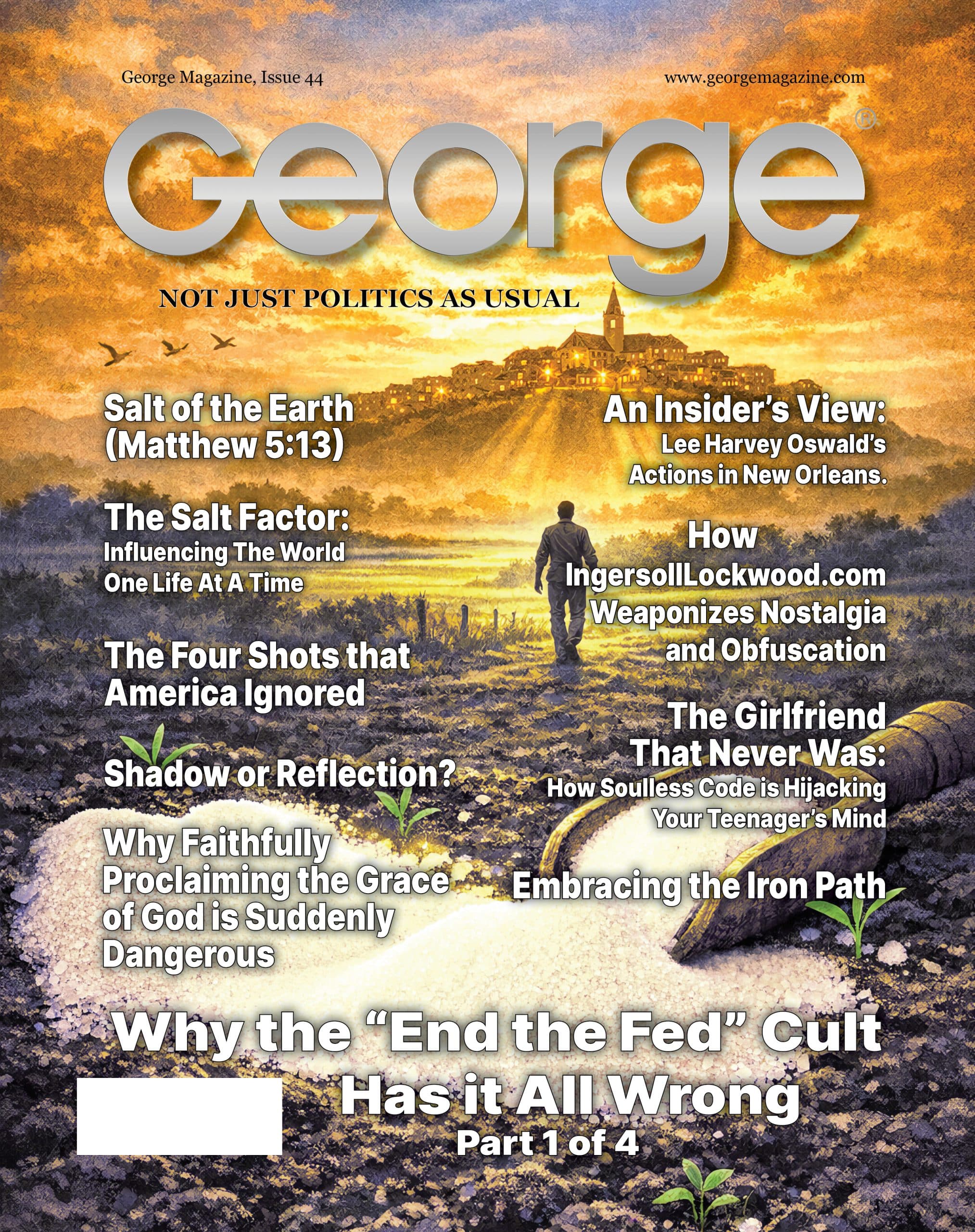
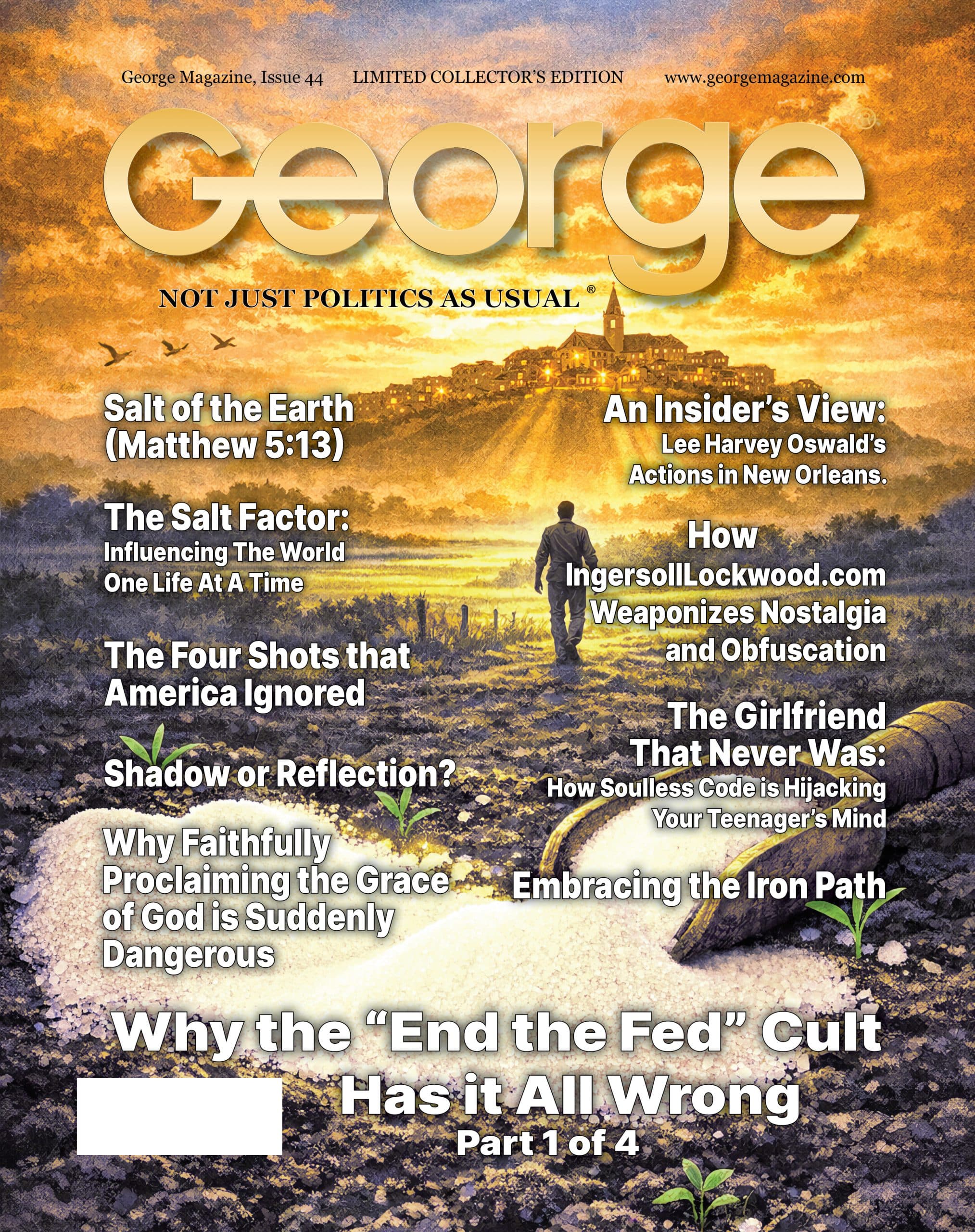
Subscribe to George Magazine and unlock exclusive bonuses. Your subscription now includes a free crypto essentials guide and three premium downloadable images. These images are perfect for personal use as desktop or mobile backgrounds, with thumbnail previews shown below.

Discount Applied Successfully!
Your savings have been added to the cart.