

NEWYou can now listen to Fox News articles!
At first glance, a railroad CEO and an agricultural industry leader might seem like an unlikely pairing. When you understand how closely America’s farm economy and freight rail depend on each other, the partnership makes sense – as do our shared concerns about proposals in Congress that could harm both.
Every year, railroads haul hundreds of millions of tons of grain, feed, fertilizer, biofuels, ethanol, and other commodities across this country. From a corn farm in Iowa to a grain elevator in the Pacific Northwest, from a feedlot in Kansas to an export terminal on the Gulf Coast, freight rail is the connective tissue of the American agricultural supply chain. There is no realistic substitute for the volume, the distance, the safety, or the cost-efficiency that rail provides.
That’s why Congress should be careful not to impose new mandates on freight rail that would raise costs, reduce capacity, and ultimately stick American consumers with the bill – at a time when they can least afford it.
FARM FRESH FOOD INITIATIVE FOR AMERICANS’ TABLES MEANS A ‘RENAISSANCE OF AGRICULTURE’
Farm country is hurting. Net farm income has declined sharply in recent years. Input costs remain elevated. Export markets face new uncertainty. In this environment, transportation costs aren’t an abstraction – they’re the difference between a profitable crop year and a losing one. Every dollar added to the cost of moving grain or fertilizer comes directly out of a farmer’s bottom line. And make no mistake, those costs trickle down to consumers at the store.
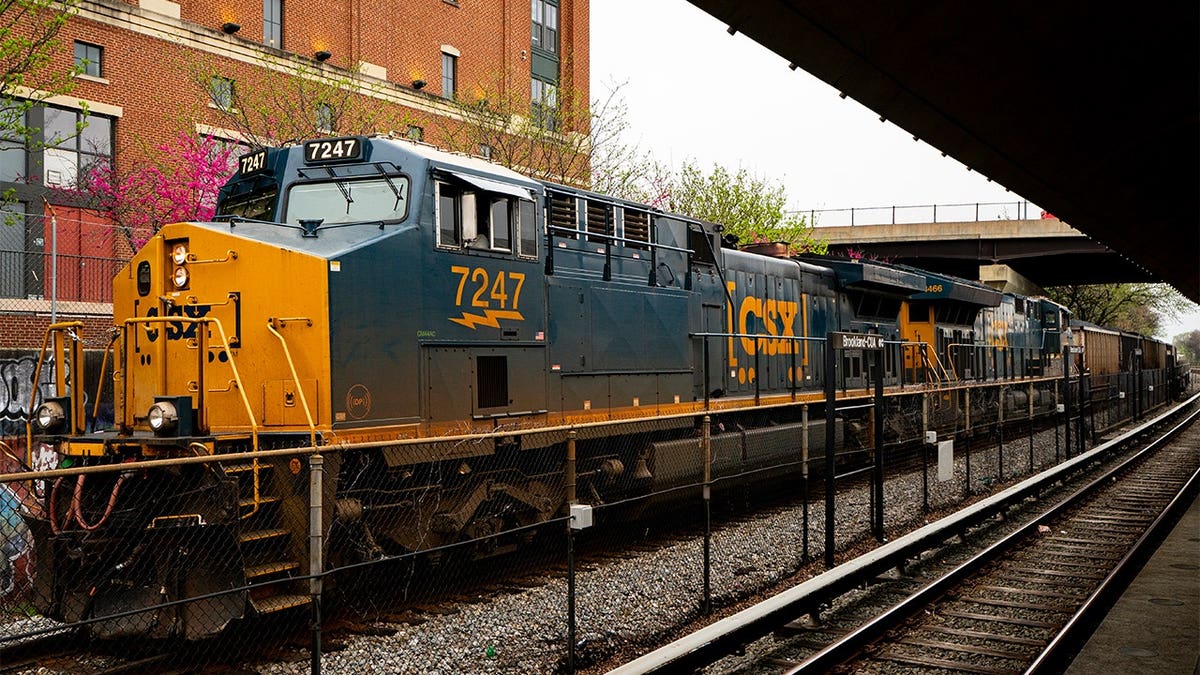
A CSX Transportation freight train stops near the Brookland-Catholic University Washington Metropolitan Area Transit Authority metro stop in Washington, D.C., on April 2, 2026. (Al Drago/Getty Images)
Some provisions under consideration in Congress would impose sweeping operational mandates on freight rail without credible evidence they would improve safety outcomes. We’re talking about train length limits that would constrain network efficiency and throughput and expanded manual inspection requirements that could slow the adoption of the advanced automated detection technology that makes rail safer. These aren’t targeted, evidence-based safety measures. They are one-size-fits-all federal mandates dressed up in safety language.
To be clear, rail safety matters enormously and farmers and ranchers demand safe operations. Railroads have invested billions of dollars in technology, infrastructure, and training over the past two decades, and it shows. New data from the Federal Railroad Administration showed freight rail safety improved across nearly every major category in 2025, marking a record-breaking year for the industry. That progress didn’t happen because of sweeping federal mandates. It happened because of sustained private investment, data-driven practices, and a relentless focus on operational excellence. Congress should build on that model, not undermine it.
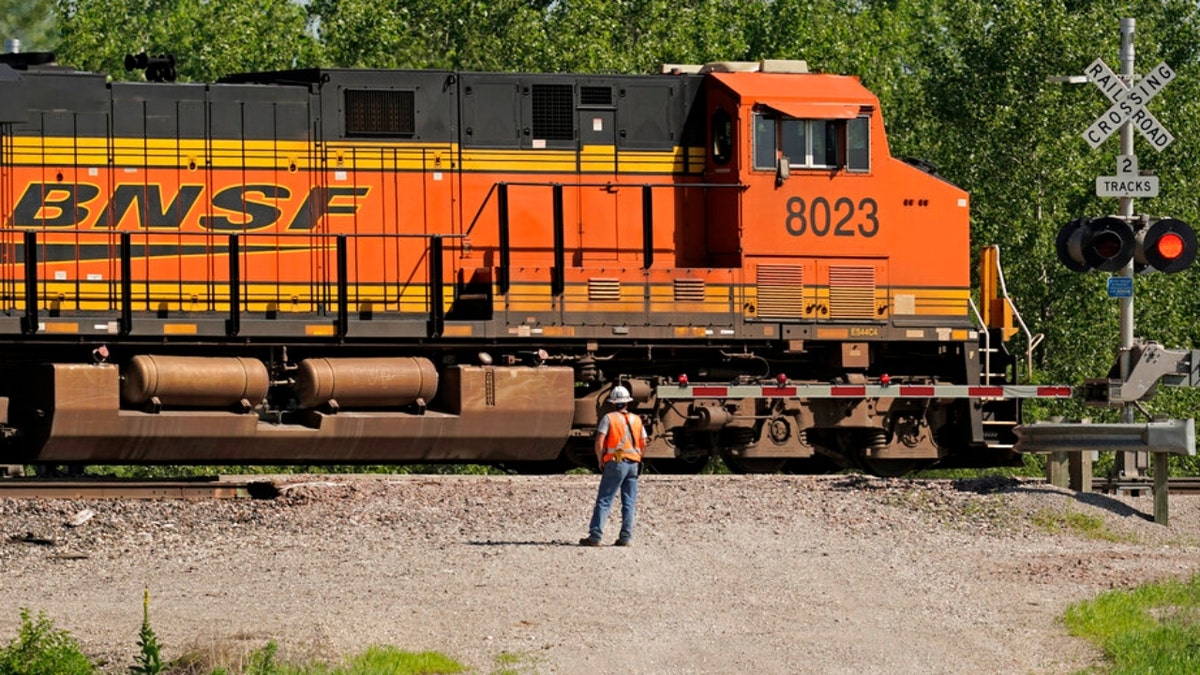
A worker watches as a freight train moves through a crossing Tuesday, June 28, 2022, a mile west of the crossing near Mendon, Mo., where an Amtrak train derailed after striking a dump truck Monday. Several people were killed, including the driver of the truck, and others were injured in the wreck. ((AP Photo/Charlie Riedel))
We wholeheartedly support targeted safety measures, including the continued expansion of various detection technologies, strengthening track maintenance programs, improving funding for first responder training, and ensuring communities have the resources they need to respond to hazardous materials incidents. These are common-sense investments with demonstrated safety benefits. And, because no one has a stronger incentive for safety than railroads and their customers, many of these activities are already advancing absent any perverse dictates driven by special interests.
What we cannot support are provisions that constrain the operational flexibility and capacity of a freight network that American farmers depend on every day – particularly when those provisions lack a solid evidence base connecting them to better safety outcomes.
The irony is that in trying to make rail safer, service could suffer: more congested, more expensive, and less reliable. And when rail gets worse, farmers and ranchers feel it first and hardest.
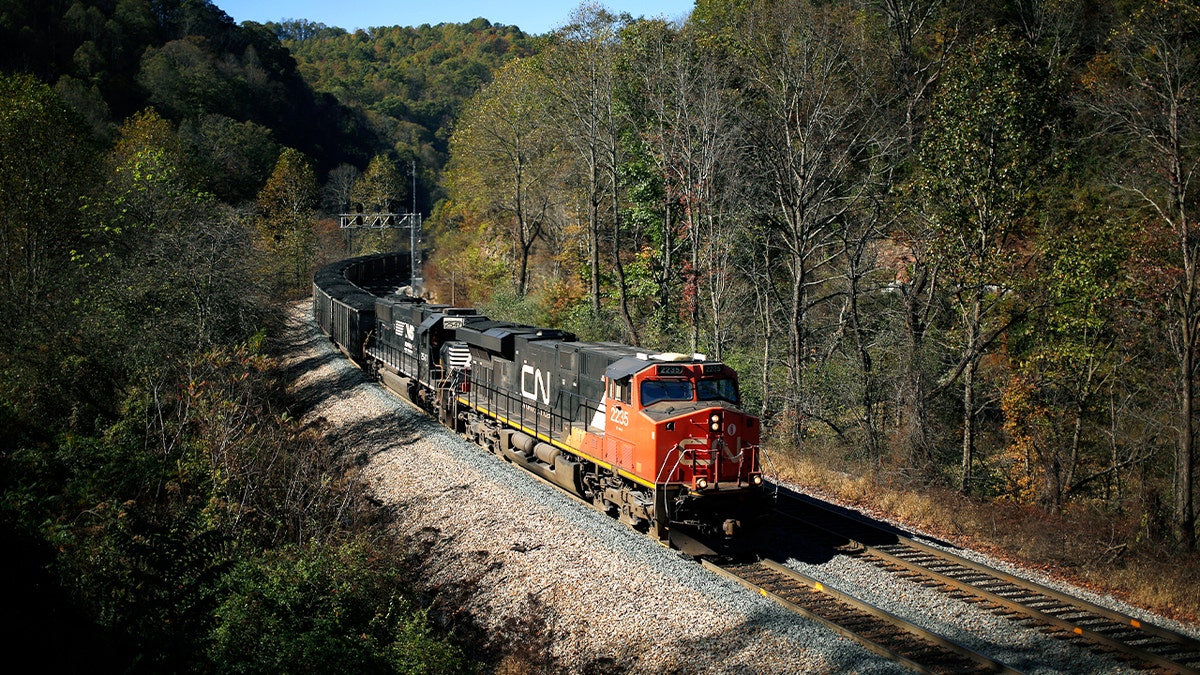
A Canadian National Railway Co. locomotive leads a Norfolk Southern Corp. coal train through a cut in Superior, West Virginia, U.S., on Thursday, Oct. 19, 2017. (Luke Sharrett/Bloomberg)
CLICK HERE TO DOWNLOAD THE FOX NEWS APP
Congress has an opportunity here, particularly as it weighs a five-year surface transportation bill that comes due in September. Done right, rail safety legislation can strengthen a network that is vital to rural America, to agricultural competitiveness, and to our nation’s ability to feed the world. Done wrong, it adds another costly burden to a farm economy already under enormous stress.
America’s farmers are counting on Congress to get this right.
Ian Jefferies is President and CEO of the Association of American Railroads.




Discount Applied Successfully!
Your savings have been added to the cart.