Understanding Cryotherapy
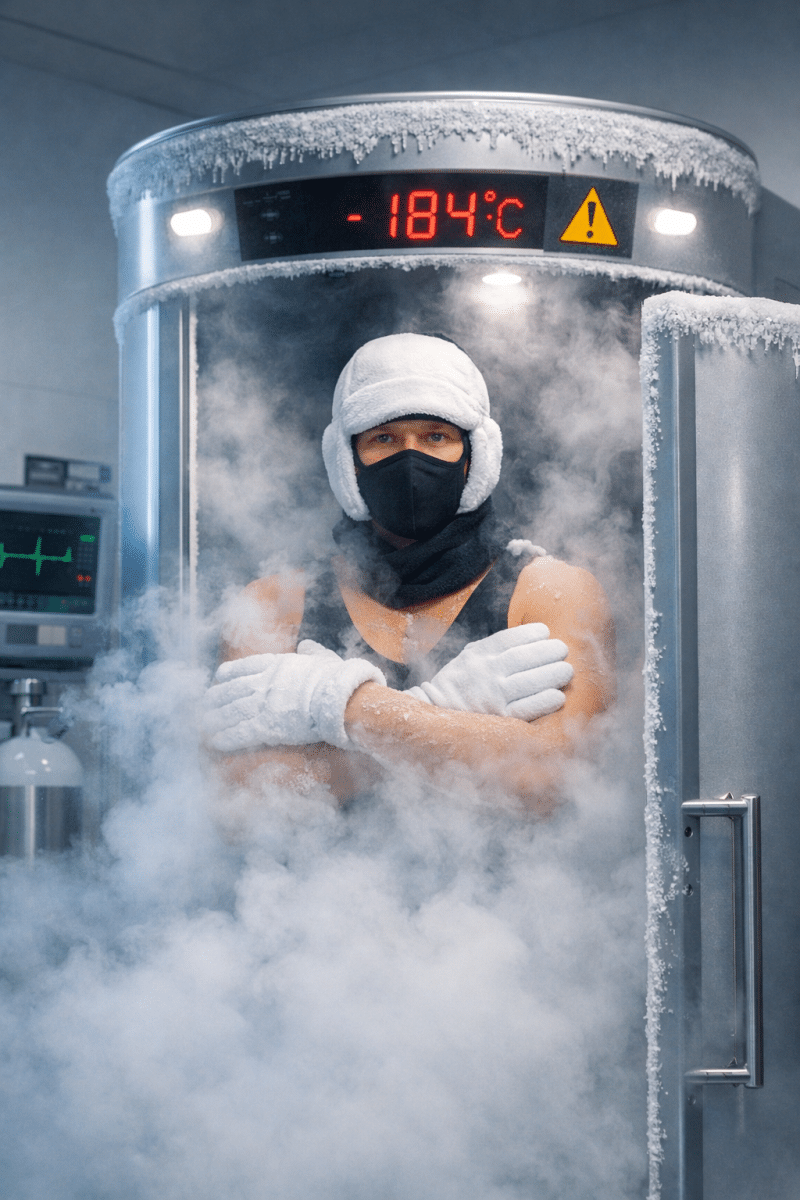
Cryotherapy can be divided into two main types: whole-body cryotherapy (WBC) and localized cryotherapy. Whole-body cryotherapy involves standing in a chamber or tank filled with extremely cold air, typically cooled to temperatures between -200°F and -300°F (-129°C to -184°C), for a few minutes. Localized cryotherapy, on the other hand, targets specific areas of the body using cold packs, ice baths, or cryotherapy devices.
Potential Health Risks
1. Frostbite and Cold Burns: One of the most immediate dangers of cryotherapy is the risk of frostbite and cold burns. Exposure to extremely cold temperatures can cause the skin and underlying tissues to freeze, leading to frostbite. This can result in pain, numbness, and even permanent tissue damage. In severe cases, frostbite can lead to the loss of fingers, toes, or other affected areas.
2. Hypothermia: Hypothermia occurs when the body loses heat faster than it can produce it, causing the core body temperature to drop to dangerously low levels. Whole-body cryotherapy can increase the risk of hypothermia, especially if the exposure time is too long or if the individual is not properly protected with appropriate clothing.
3. Cardiovascular Stress: Exposure to extreme cold can cause blood vessels to constrict, leading to an increase in blood pressure and heart rate. This can put significant stress on the cardiovascular system, particularly for individuals with pre-existing heart conditions. In some cases, cryotherapy can trigger heart attacks or other cardiovascular events.
4. Respiratory Issues: Breathing in extremely cold air can irritate the respiratory system, leading to coughing, wheezing, and shortness of breath. Individuals with asthma or other respiratory conditions may be particularly vulnerable to these effects.
5. Nerve Damage: Prolonged exposure to cold temperatures can damage nerves, leading to numbness, tingling, and loss of sensation in the affected areas. In severe cases, this nerve damage can be permanent.
6. Infections: Cryotherapy chambers and devices must be properly cleaned and maintained to prevent the spread of infections. If hygiene standards are not met, there is a risk of bacterial or fungal infections, particularly in individuals with open wounds or compromised immune systems.
Safety Concerns
1. Lack of Regulation: One of the major concerns with cryotherapy is the lack of regulation in the industry. Unlike medical treatments that are subject to strict regulatory oversight, cryotherapy is often offered by spas, wellness centers, and fitness facilities with little to no regulation. This means that the safety and efficacy of cryotherapy treatments can vary widely, and there is no guarantee that the equipment and procedures used are safe.
2. Inadequate Training: Many cryotherapy providers may not have the necessary training or expertise to safely administer cryotherapy treatments. This can increase the risk of accidents and injuries, particularly if the provider is not familiar with the proper protocols for using cryotherapy equipment.
3. Equipment Malfunctions: Cryotherapy chambers and devices rely on complex machinery to generate and maintain extremely cold temperatures. If this equipment malfunctions, it can pose serious risks to users. For example, a malfunctioning cryotherapy chamber could expose individuals to temperatures that are too cold or for too long, increasing the risk of frostbite, hypothermia, and other cold-related injuries.
4. False Claims: Some cryotherapy providers may make exaggerated or false claims about the benefits of cryotherapy, leading individuals to believe that it can cure or treat a wide range of medical conditions. This can result in individuals forgoing proven medical treatments in favor of cryotherapy, potentially worsening their health conditions.
Lack of Scientific Evidence
While cryotherapy has gained popularity for its potential health benefits, it is important to note that the scientific evidence supporting these claims is limited. Many of the purported benefits of cryotherapy, such as reducing inflammation, improving athletic performance, and promoting weight loss, are based on anecdotal evidence rather than rigorous scientific research.
1. Inflammation and Pain Relief: While some studies suggest that cryotherapy may help reduce inflammation and pain, the evidence is not conclusive. The effects of cryotherapy on inflammation and pain relief may vary depending on the individual and the specific condition being treated.
2. Athletic Performance: Some athletes use cryotherapy to enhance their performance and speed up recovery after intense workouts. However, the evidence supporting these claims is mixed. While some studies suggest that cryotherapy may help reduce muscle soreness and improve recovery, others have found no significant benefits.
3. Weight Loss: There is limited evidence to support the claim that cryotherapy can promote weight loss. While exposure to cold temperatures can increase metabolism and calorie burning, the effects are likely to be minimal and short-lived.
Not Trying to be Cold – But Let’s Wrap This Up!
Cryotherapy can pose significant risks, including frostbite, hypothermia, cardiovascular stress, respiratory issues, nerve damage, and infections. The lack of regulation and inadequate training in the industry further exacerbate these risks. Additionally, the scientific evidence supporting the purported benefits of cryotherapy is limited and inconclusive.
If you are considering cryotherapy, it is important to weigh the potential risks and benefits carefully. Consult with a healthcare professional to determine whether cryotherapy is appropriate for your specific needs and health conditions. Always choose a reputable provider with proper training and equipment to minimize the risks associated with cryotherapy.
Ultimately, while cryotherapy may offer some benefits, it is not without its dangers. Understanding these risks can help you make informed decisions about whether cryotherapy is right for you.
: [Mayo Clinic](https://mcpress.mayoclinic.org/living-well/the-chilling-truth-exploring-the-health-benefits-and-risks-of-cryotherapy/)
: [Cleveland Clinic](https://my.clevelandclinic.org/health/treatments/21099-cryotherapy)
: [WebMD](https://www.webmd.com/pain-management/what-is-whole-body-cryotherapy)
*****
Get Ageless Tech. Using AI to Your Advantage: https://georgemagazine.com/agelesstech/
Get George’s America’s 250th: https://georgemagazine.com/product/america-250-celebrating-legacy/
Get George’s Crypto E-Playbook: https://georgemagazine.com/product/the-crypto-playbook-by-george-magazine/
Get America’s 250th George Magazine T-Shirt: https://georgemagazine.com/product/americas-250th-george-magazine-t-shirt/
Get The George Dispatch: https://georgemagazine.com/thedispatch/
Get George Magazine. Print or Digital: https://georgemagazine.com/subscribe-george-magazine/
Get George Junior. Print or Digital: https://georgemagazine.com/subscribe-george-junior-magazine/
Get “Co V Fe Fe” Shirt here: https://georgemagazine.com/product/cov-fe-fe-george-magazine/
Get the Aetherian Realm’s Final Judgments Map: https://georgemagazine.com/product/aetherian-realms-final-judgments-map/
For the “Deep Dive”: Project Looking Glass: https://projectlookingglass.org/