

I’ll give you the version nobody likes to say out loud.
Most portfolios don’t fail because of bad ideas.They fail because of bad execution under pressure.I’ve lived this.
By Avery Knox
I’ll give you the version nobody likes to say out loud.
Most portfolios don’t fail because of bad ideas.They fail because of bad execution under pressure.I’ve lived this.
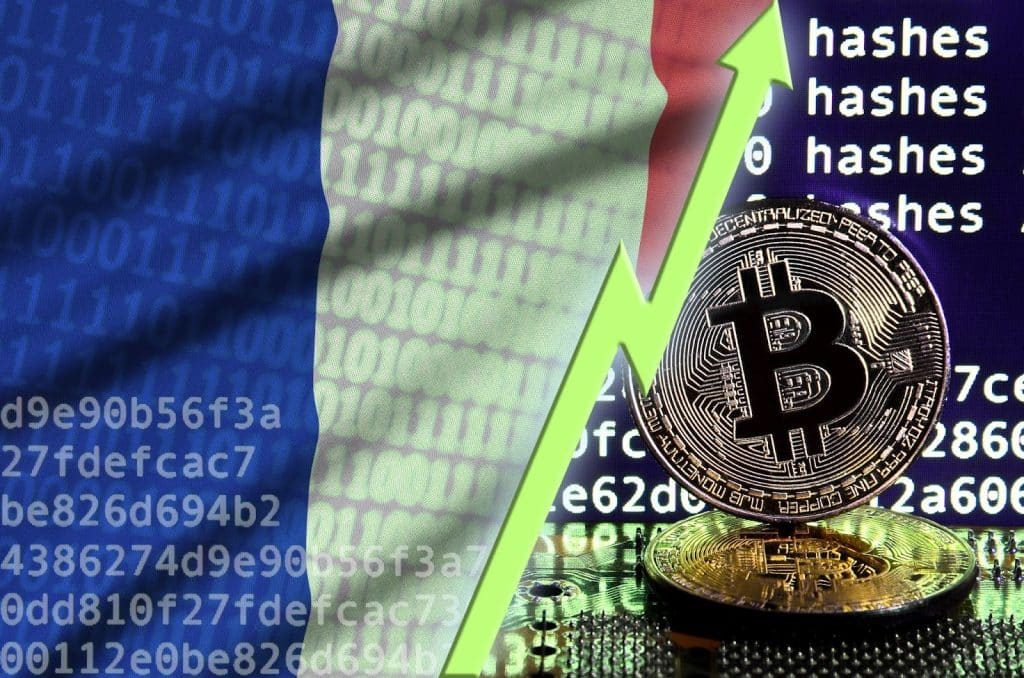
In 2020, I was overexposed and convinced I could “ride volatility.” Then the market reminded me who’s actually in charge. In 2022, I overcorrected – too defensive, missed upside.
Expensive lessons on both sides.
By 2026, my approach is a lot simpler. Not easy – but simple.
Let’s be brutally honest: you’re not going to predict how the Iran situation unfolds.
Nobody is.
So instead of trying to outguess geopolitics, build a structure that can survive multiple scenarios.
Based on everything we’ve seen – the ~12% drop, the recovery to $74K, the $458M ETF inflows, the oil-inflation feedback loop – here’s a practical allocation framework:
This isn’t about perfection. It’s about resilience.
We already have three credible paths for 2026:
Positioning:
Lean risk-on. Increase Bitcoin exposure on confirmation.
Positioning:
Stay balanced. Use dips to accumulate gradually.
Positioning:
Increase cash buffer. Avoid leverage entirely. Prepare to deploy later.
Here’s what matters:
You don’t need to guess which scenario plays out.
You need to recognize which one you’re in – early enough to adjust.
Let’s talk about the part everyone skips.
With volatility averaging 12.7% daily ranges right now, this is not a “set it and forget it” environment.
You don’t need 15 dashboards. You need a few signals that actually matter.
Oil leads. Crypto follows.
When oil spikes → fear
When oil stabilizes → positioning returns
It’s not perfect. But it’s one of the cleanest signals we have.
This changed the game.
And it’s all public data now.
If long-term holders are accumulating during dips?
That’s not panic. That’s positioning.
And historically, it precedes recovery.
Before the Iran strikes, CME FedWatch showed only a 2.4% probability of a March rate cut.
Now? Even lower.
Rates matter. Liquidity matters. Always.
Let me save you a few painful lessons:
I’ve made every one of these at some point.
They all cost money.
Here’s the honest takeaway after everything we’ve seen since February:
This isn’t the same market anymore.
Bitcoin in 2026 is part of the global financial system. That makes it messier in the short term…
…but more powerful in the long term.
The biggest gains don’t come from predicting wars.
They come from understanding how markets overreact to them.
And having the discipline to act when:
Because by the time certainty shows up?
The opportunity is usually gone.
Don’t overcomplicate this.
Start here:
That alone puts you ahead of most investors in this cycle.
About This Series:
This 3-part series broke down how Bitcoin behaves during geopolitical shocks, how to evaluate it against traditional hedges, and how to actually execute a strategy that holds up when volatility spikes. The goal isn’t prediction – it’s positioning with clarity and discipline.
References:
MEXC. (2026). Bitcoin scenarios during US-Iran conflict.
Investing.com. (2026). ETF inflow tracking.
CoinShares. (2026). Digital asset fund flow reports.
https://coinshares.com/insights/research-data/fund-flows-23-03-26/
International Monetary Fund (IMF). (2026). Oil and inflation macro link.
https://www.imf.org/en/news/articles/2026/03/09/sp030926-coping-and-thriving-in-a-fluid-world
Economic Times / Gita Gopinath. (2026). Oil-driven inflation outlook.
Kavout. (2026). Institutional behavior and long-term holders.
https://www.kavout.com/market-lens/is-bitcoin-truly-a-safe-haven-amidst-geopolitical-storms
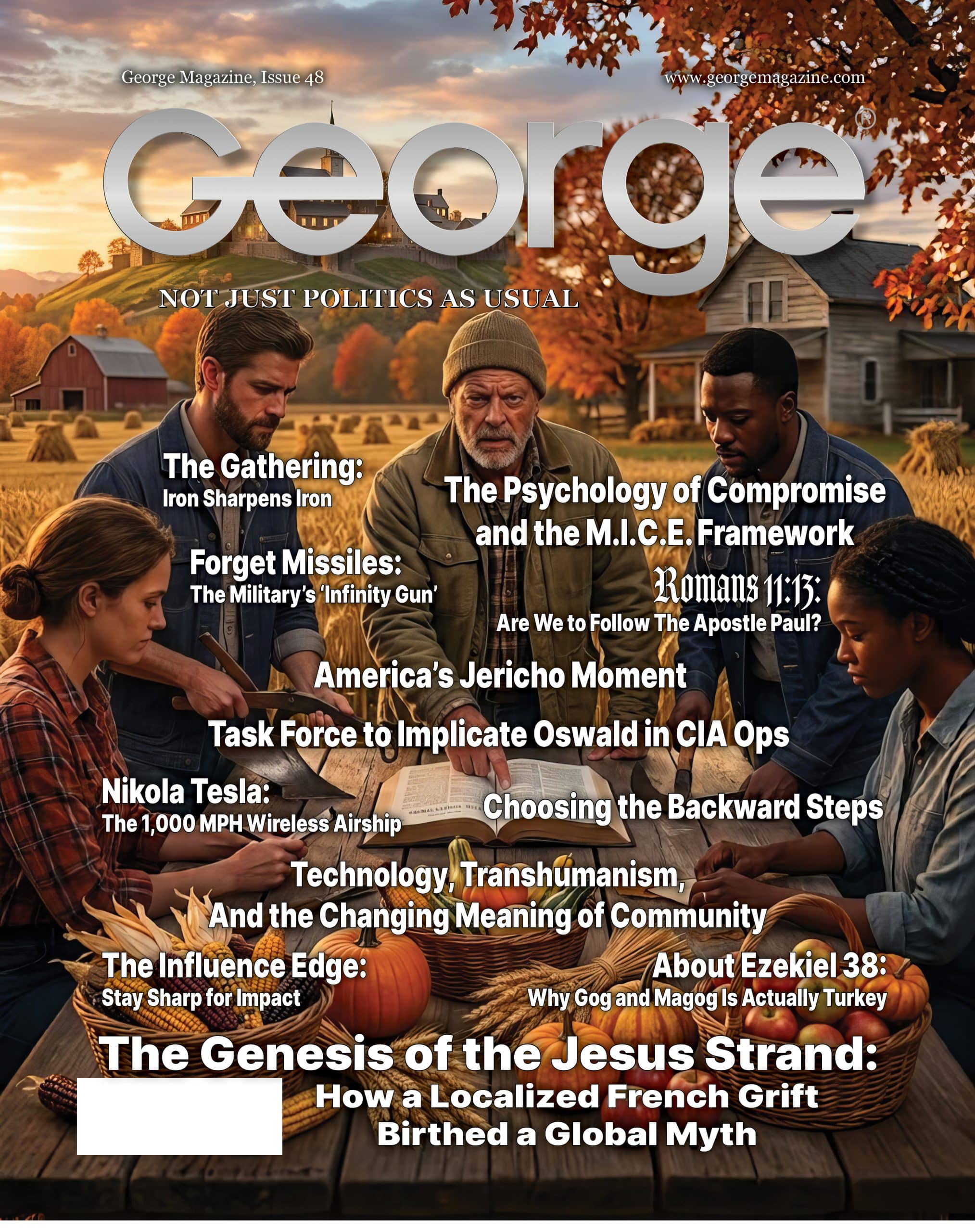
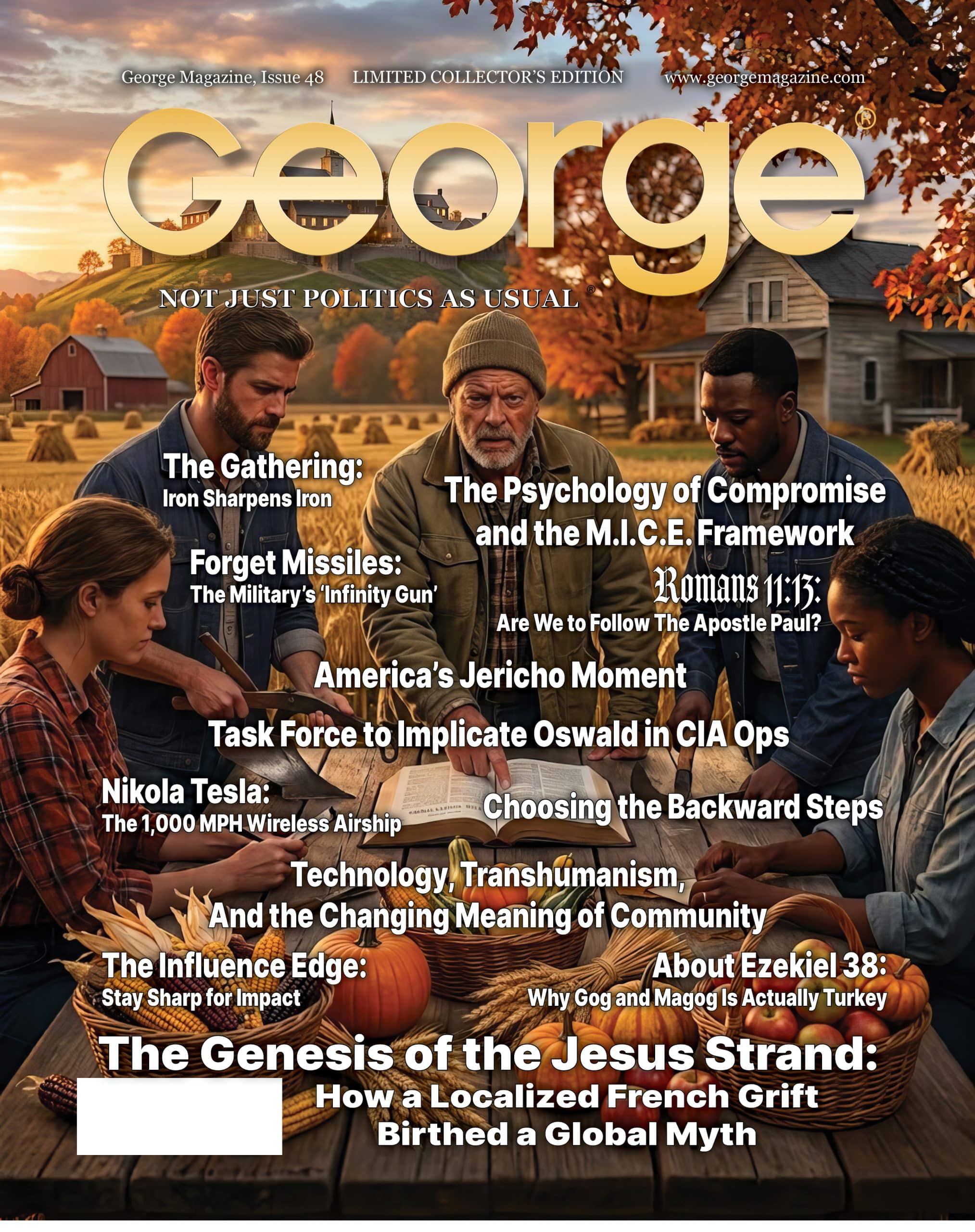
Subscribe to George Magazine and unlock exclusive bonuses. Your subscription now includes a free crypto essentials guide and three premium downloadable images. These images are perfect for personal use as desktop or mobile backgrounds, with thumbnail previews shown below.

![[GOOD PRESS] ON[GOOD PRESS] ON](https://georgemagazine.com/wp-content/uploads/2024/08/16389056566437433941_2048-300x300.jpeg)
Discount Applied Successfully!
Your savings have been added to the cart.