

Cybercrime losses reached nearly $21 billion last year, prompting Kurt Knutsson to warn of increasingly sophisticated AI scams. He joins ‘Fox & Friends Weekend’ to break down the FBI data, highlighting that investment fraud alone cost victims $8.65 billion. Knutsson hosts a free live class to teach families how to protect their money and secure accounts.
NEWYou can now listen to Fox News articles!
Discovering that your identity has been stolen can leave you feeling angry, frightened and unsure where to begin. Maybe someone drained your bank account, opened a credit card in your name or filed a fraudulent tax return using your Social Security number. Whatever happened, your next steps can help limit the damage.
The first 24 hours are especially important because identity thieves may continue using your information until you secure your accounts. Fortunately, you can take several steps right away to protect yourself and begin recovering.
Join our upcoming CyberGuy LIVE class: 5 Ways to Travel Smarter and Save Money
In this free live online class, Kurt “CyberGuy” Knutsson will share five practical ways to protect your trip and your wallet this holiday travel season. You’ll learn how to secure your phone and personal information, find better travel deals, avoid common scams, save money on bookings and use technology to make your travels easier and less stressful. No technical experience is needed.
Join us Saturday, Oct. 31, at 11 AM ET / 8 AM PT. Register free now at CyberGuyLive.com.
IDENTITY RESTORATION: WHAT TO DO AFTER IDENTITY THEFT

Reviewing your credit reports and documenting suspicious activity are important steps toward recovering from identity theft. (Sara Diggins/The Austin American-Statesman via Getty Images)
Identity theft can quickly spread beyond the account where you first discovered the problem. Someone who gains access to your email, for example, might use it to reset passwords for your banking, shopping or other accounts. That’s why acting quickly can make a difference.
However, you don’t have to solve everything in one day. Identity theft recovery can take weeks or even months, depending on the circumstances. Your immediate goal is to stop additional fraud, protect your information and create a record of what happened.
The following checklist breaks the process into manageable steps. The time frames are guidelines, so prioritize active fraud and compromised accounts rather than waiting for a particular hour.
Start with the accounts most likely to expose your money or personal information.
Important: If money has been stolen, report it to your financial institution immediately. Federal protections and reporting deadlines vary by account and transaction type.
Next, make it harder for criminals to open additional accounts using your personal information.
You can freeze your credit even if you expect to apply for a loan or credit card soon. Simply lift the freeze temporarily when necessary.
Creating an official record can help you dispute fraudulent accounts and recover your identity.
An FTC identity theft report can help you exercise certain rights under federal law, including requesting that credit bureaus block fraudulent information. However, you generally do not need to file an FTC report before notifying a bank about unauthorized transactions.
A SCAMMER HAS YOUR NAME, PHONE NUMBER AND ADDRESS. WHAT CAN THEY ACTUALLY DO?

Acting quickly after identity theft can help protect your bank accounts, credit cards and personal information from further fraud. (Nastasic/Getty Images)
Identity thieves sometimes try to use stolen information across multiple services.
Hours 16 to 24: Document everything
Once you’ve addressed the most urgent threats, organize your recovery efforts.
Even when you’re moving quickly, certain mistakes can create additional problems.
9 WARNING SIGNS OF IDENTITY THEFT YOU SHOULD NEVER IGNORE
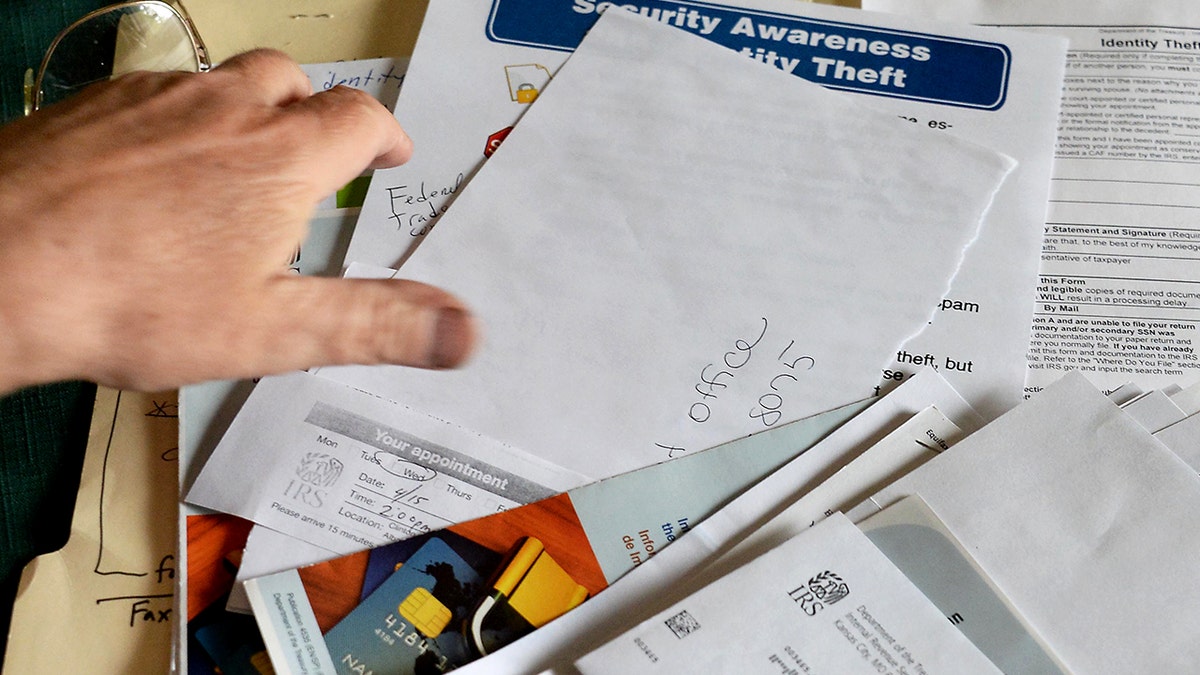
Helping a family member organize financial records and contact the right institutions can make identity theft recovery less overwhelming. (John Carl D’Annibale /Albany Times Union via Getty Images)
Some recovery tasks will continue beyond the first day, including disputing fraudulent accounts, correcting credit reports and following up with creditors. However, report unauthorized financial transactions immediately. Federal protections and reporting deadlines vary depending on the type of account and transaction. Your initial priority is to stop additional fraud and secure your information.
Recovering from identity theft often involves contacting multiple financial institutions, disputing fraudulent charges and keeping track of important paperwork. An identity theft protection service may help simplify the process by offering recovery assistance, ongoing monitoring and guidance when suspicious activity appears.
Keep in mind that no identity theft protection service can prevent every type of fraud or guarantee that stolen money will be recovered. You can also take important steps for free, including freezing your credit, placing fraud alerts and reporting identity theft at IdentityTheft.gov.
See my tips and best picks on Best Identity Theft Protection at CyberGuy.com.
Many people go through this first-24-hours checklist not for themselves, but for an aging parent, a spouse or another family member. If you’re the one helping, the same steps apply. Start by securing compromised accounts, freezing credit, reporting fraud and documenting what happened. Keep in mind that you may need permission or legal authorization to speak with financial institutions on someone else’s behalf.
Patience is important, too. Identity theft can be frightening, especially for someone who isn’t comfortable managing financial accounts online. Helping them make phone calls, organize paperwork and track important deadlines can make the recovery process easier.
Once the first 24 hours are behind you, continue working through your checklist. Dispute fraudulent charges and accounts, follow up on your identity theft report and request that fraudulent information be removed from your credit reports. Keep monitoring your financial accounts for suspicious activity, since criminals may attempt additional fraud using stolen information.
Recovery timelines vary depending on the type and extent of the theft. Some problems can be resolved quickly, while more complicated cases may take months.
Consider asking a trusted family member or close friend to help you stay organized. Having someone review documents, take notes or track deadlines can help prevent important details from slipping through the cracks.
The most important thing is to stay focused on what you can control. Secure your accounts, report suspicious activity promptly and follow through on unresolved disputes. You may not fix everything in the first 24 hours, but taking these steps can help limit further damage and put you on the path to recovery.
When someone steals your identity, it’s easy to feel like you’ve lost control of your financial life. I’ve seen how quickly one compromised account can lead to bigger problems, especially when criminals get access to email or other personal information. My advice is to focus on what you can control right away. Contact your bank, secure your most important accounts and freeze your credit with all three bureaus. Then report the theft and keep a record of every conversation. You don’t need to pay a company to take these initial steps. I also recommend keeping an eye on your accounts long after the first day. Identity thieves may try to use stolen information again, even after you’ve addressed the original problem. A little extra attention now can help you catch suspicious activity before it causes more damage.
Have you or someone you know ever dealt with identity theft? What was the hardest part of getting everything back under control? Let us know by writing to us at CyberGuy.com.
Sign up for my FREE CyberGuy Newsletter
CLICK HERE TO DOWNLOAD THE FOX NEWS APP
Copyright 2026 CyberGuy.com. All rights reserved.




Discount Applied Successfully!
Your savings have been added to the cart.